LIMITED SUPPLY CALL FOR AVAILABILITY 800-769-3741
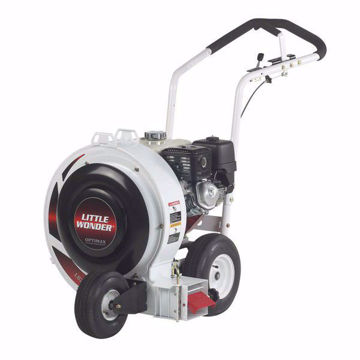
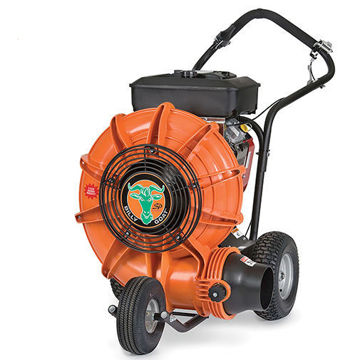
Little Wonder 9270-12-01
HUGE freight discounts! Call 800-769-3741 for your discounted rate!
The Little Wonder 9270-12-01 Optimax self-propelled blower is a heavy-duty, commercial-grade machine designed for large properties, campuses, or professional landscaping work where high air volume and easy maneuverability are essential. Powered by a 270 cc Honda GX270 engine, it delivers approximately 2,260 cubic feet per minute (CFM) of airflow at speeds around 143 mph, giving it the strength to move leaves, debris, and even standing water across wide areas efficiently. The self-propelled drive system allows it to move forward up to 4.1 mph and in reverse up to 2.5 mph, reducing operator fatigue and making it easier to cover large yards or uneven terrain. Weighing about 200 pounds, it features a welded all-steel housing, a 17-inch steel impeller with reverse-angled blades, and a large square discharge chute for maximum airflow and control. This blower is best suited for yards over an acre or for users who maintain large open areas with heavy debris; for smaller residential lots, it may be more power than necessary. To use the 9270-12-01 efficiently, start each job by checking oil and fuel levels, inspecting the tires and impeller housing, and ensuring no debris blocks the intake or chute. Adjust the handle to a comfortable height and use the self-propelled speed control to maintain a steady walking pace while blowing debris forward or to the side. Work with the wind rather than against it and plan your path so leaves are pushed into centralized piles rather than scattered. The machine’s remote chute deflector makes it easy to control airflow direction without stopping. After each use, clean the housing, chute, and impeller area, and inspect for loose bolts, worn tires, or signs of vibration. For best longevity, change the oil every 25 to 50 hours, clean or replace the air filter regularly, and inspect the drive system for belt tension and wear. If performance drops, check for clogged airflow paths, dirty spark plugs, or stale fuel. Excess vibration or reduced drive power can often be traced to loose mounting bolts, worn bearings, or improper tire inflation. Proper care and maintenance ensure the Honda engine starts easily and the impeller operates smoothly. Overall, the Little Wonder 9270-12-01 combines industrial-grade power with user-friendly features like self-propulsion, remote chute control, and ergonomic design, making it one of the most efficient and durable walk-behind blowers for large-scale yard maintenance or professional use season after season.
Yard-Size Capabilities & Specs
This model is a heavy-duty, walk-behind self-propelled blower designed for larger properties or commercial jobs. Key specifications:
- Engine: 270 cc (Honda GX270) for the 9270-12-01.
- Airflow: ~2,260 CFM.
- Air-speed: ~143 mph.
- Self-propelled: forward up to 4.1 mph, reverse up to 2.5 mph; means less fatigue and better maneuvering.
- Weight: approx. 202 lbs.
- Robust steel housing and large discharge chute.
Given those specs, the 9270-12-01 is best suited for:
- Properties of multiple acres or large lots with heavy leaf/debris loads (trees, open fields, parking lots).
- Commercial or semi-commercial use (landscaping companies, estates, campuses) where you’ll need sustained performance and self-propel capability.
- If you have a smaller residential yard (say under ½–1 acre) and just light leaf loads, this model is likely “over-capacity” (more machine than you need) and you’d incur heavier transport/maintenance.
In short: if you’ve got expansive grounds or frequently blow large volumes of debris, this machine gives strong capability; for small yards, you might be better with a lighter model.
How to Use for Easy Efficiency
To get the most out of the 9270-12-01, follow these steps and strategies:
- Pre-use inspection
- Check fuel and oil levels, ensure engine is warmed up properly.
- Inspect the intake and discharge chute; make sure no large debris is stuck or blocking the impeller housing.
- Check tire pressure and general wheel condition (since self-propelled units rely on wheels/drive).
- Adjust handle height and ensure the anti-vibration grip is comfortable.
- Optimal operating strategy
- Because it’s self-propelled, set your forward speed to match your walking pace so you’re moving steadily, not rushing or skipping areas.
- Use the remote chute deflector & split-stream discharge features (this model has them) to direct the air where you want the leaves to go; this avoids scattering.
- Work methodically: blow from one “zone” to a collection point, then move to the next. Avoid going over the same area multiple times.
- Blow with the wind if possible (or at least not directly against a strong wind) to improve efficiency.
- After piling debris, make one pass to consolidate it rather than multiple passes bulldozing the same leaves.
- Use the self-propel reverse feature when backing out of tight spots rather than trying to push manually.
- Post-use care
- Clean the blower housing and chute ; removing residual dust, leaf fragments, or moisture helps longevity.
- Check for any bent blades or damage to the impeller housing.
- Inspect tires and drive mechanism (self-propel belt/chain, etc.).
- Store the unit in a dry place, cover if needed, and ensure you drain or stabilize fuel if storing long term.
Troubleshooting Tips & Maintenance
Here are common issues you may encounter with this model and how to handle them:
- Reduced airflow / weaker blowing power
Possible causes: debris blockage in impeller or housing, bent impeller blades, damaged housing or discharge chute.
Fix: Stop the machine, disconnect spark plug/battery, inspect inside the housing and remove debris or broken blades. Check the discharge chute for damage. - Machine hard to start or stalls
Possible causes: old or stale fuel, dirty air filter, low oil (many Honda engines have low-oil sensor), spark plug issue.
Fix: Replace fuel if >30 days old, clean/replace air filter, verify oil level, check spark plug and wiring. - Excess vibration or unusual noises
Possible causes: loose bolts on housing or impeller deck, worn bearings in drive or self-propel mechanism, damage to impeller.
Fix: Shut off machine, inspect mounts/fasteners, check bearings and impeller alignment. Replace worn components. - Self-propel drive issues (not moving or slipping)
Possible causes: belt/chain drive tension incorrect, drive mechanism clutch worn, tires low or slipping.
Fix: Check maintenance manual for belt/chain tension, inspect drive clutch parts, check tire pressure and tread condition. - Engine overheating / running hot under load
Possible causes: blocked air intake or cooling fins, working too slowly (over stressing the blower), low oil.
Fix: Clean engine cooling fins and air intake, ensure proper oil, maintain a steady enough pace where machine isn’t bogged down.
Suggested maintenance schedule (general guidelines):
- After every use: clean housing, check tires and accessories.
- Every 10-25 hours: inspect air filter, check oil level, inspect drive belt/chain.
- Every 50-100 hours: change engine oil, maybe spark plug, inspect bearings, inspect impeller and housing thoroughly.
- At season’s end: drain or stabilize fuel, clean blower, store in dry protected area.
Summary
The Little Wonder 9270-12-01 is a high-capability, self-propelled walk-behind blower built for large-scale leaf/debris removal. If your property is large or you have commercial-style needs, this machine will give you real power and efficiency. For best results, pair the machine with a planned approach: pre-check it, use its self-propel and split-stream features, move methodically to avoid repeat passes, and maintain it regularly to avoid breakdowns. The upfront investment and operational effort pay off in faster, cleaner leaf-removal with less fatigue.