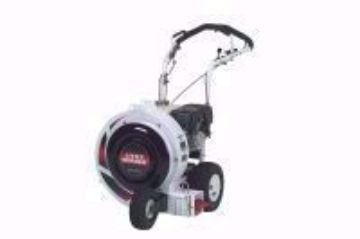
Billy Goat F1302H
* MUST SHIP TRUCK FREIGHT. Call Us For A Great Freight Rate (800)769-3741!
The Billy Goat F1302H is a high-performance, commercial-grade walk-behind leaf blower designed for large residential properties, estates, parks, and commercial grounds, typically covering 1 acre to over 3 acres with ease. Powered by a 393cc Honda GX390 engine producing about 13 horsepower, it delivers up to 200 mph air velocity and moves an impressive volume of air, over 6 times the output of a typical backpack blower, making it one of the most powerful push blowers in its class. The F1302H uses a 16-blade composite impeller that maximizes air output while keeping the machine lightweight and durable, ideal for clearing heavy, wet leaves, sticks, acorns, and debris quickly from lawns, parking lots, and sports fields. To achieve the best efficiency, it’s important to work methodically, start from one end of your property and blow with the wind, moving debris in a single direction toward a central collection point, such as a tarp or curb. The blower’s rounded housing and large discharge opening ensure smooth, continuous airflow, while the balanced frame design keeps it stable and easy to push even over uneven terrain. For maximum control, adjust the nozzle height according to the material you’re clearing, keep it low for wet or compacted leaves and raise it slightly for dry or light debris to spread air more evenly. Since the F1302H is a push model, maintaining a steady, comfortable walking pace will produce the best results and reduce fatigue. Common troubleshooting is simple: if the engine won’t start, check for fresh fuel, proper oil level, and a clean spark plug; if airflow seems weak, clear the housing and chute of obstructions and inspect the impeller for buildup or damage; if vibration occurs, tighten all bolts and inspect the impeller shaft bearings for wear. Regular maintenance ensures long life and top performance, clean or replace the air filter often, change the oil every 25–50 hours, and keep the impeller and housing free of debris. Always check tire pressure and make sure the wheels roll smoothly for easy maneuverability. To operate most efficiently, plan your cleanup route before starting, avoid blowing debris in multiple directions, and throttle back slightly when working with lighter leaves to save fuel and reduce engine wear. The Billy Goat F1302H combines massive power, durability, and user-friendly control, making it one of the most effective choices for anyone managing large-scale leaf removal or property maintenance tasks who needs professional-level performance in a walk-behind blower.
Yard Size Capabilities
The F1302H is a commercial-grade wheeled walk-behind blower designed for large properties and demanding cleanup jobs. Key specs include:
- A 393 cc (≈13 hp) Honda GX390 engine.
- Air velocity up to ~320 km/h (just under 200 mph) using its 16-blade, 43.2 cm (17″) impeller.
- Weight around 69 kg (~152 lbs) for the push version.
- Designed as “6.2× backpacks” in terms of productivity for the model.
Given all that, this blower is well suited for medium to large yards , think open lawns, estates, larger commercial lots, parks, parking lots, or campus grounds. If your property is somewhat expensive (well over half an acre) or has a lot of leaf/debris volume (trees, seasonal drop, wet and heavy leaves), the F1302H is more than capable. For very small yards it might be overpowered, but for large area cleanup it makes sense.
Easy Troubleshooting Tips
Here are common issues you might encounter with the F1302H and simple ways to troubleshoot:
- Engine won’t start
- Ensure fresh fuel and the correct fuel mixture (if applicable) and that the fuel valve is open (check per manual).
- Check oil level: low oil can prevent startup or cause shutdown in some commercial units.
- Inspect the spark plug: remove and check for fouling, correct gap, clean or replace if needed.
- Confirm the choke/throttle settings are correct for starting (cold start vs warm).
- Check the air filter: a clogged filter will stifle performance or stop the engine.
- Reduced airflow or blower seems weak
- Inspect the blower housing and discharge chute for clogs (wet leaves, debris, twigs) obstructing the flow.
- Check the impeller blades: even though this model uses a composite 16-blade fan (which is resilient) it still needs to be free of heavy buildup and damage.
- Verify the engine is reaching intended RPM. If speed is low, check for throttle linkage issues or governor/rpm setting.
- Ensure tires are properly inflated and wheels turn freely (so the blower can be positioned correctly and you’re not fighting drag).
- Vibration, noise, or instability
- Check that all mounting bolts (engine, housing, fan) are tight. Loose bolts cause vibration.
- Inspect the fan/impeller shaft bearings for wear or play. Excessive wobble will cause noise and reduce efficiency.
- Check wheel condition: badly worn or misaligned wheels will upset handling and become fatiguing to push.
- Confirm the deck/housing is clear and intact (no dents or damage) because airflow path integrity is key to stable operation.
- Difficulty maneuvering, especially on slopes or uneven terrain
- Since the F1302H is a “push” model (not self-propelled), make sure the terrain and your physical load are manageable. For steep slopes or long runs you might tire quicker.
- Check for front wheel alignment and rear wheel condition; good pneumatic tires make a big difference.
- Keep your walking path clear of big obstructions and plan motion so you’re not constantly fighting resistance.
The owner’s manual for this model includes a dedicated “Maintenance and Troubleshooting” section.
How to Use for Best Efficiency
To maximize the efficiency of the F1302H and get the most out of your time and effort, follow these workflow and technique tips:
- Plan your path and use the wind: Start from one side of your property and work systematically, following the wind direction when possible. Blowing against the wind causes debris to scatter or comeback toward you, wasting time.
- Keep the blower housing low and the discharge path short: For heavy, wet leaves or dense piles keep the nozzle low and close so you don’t lose force. For lighter dry leaves you can raise it slightly and blow more broadly. The 17″/43 cm impeller offers a broad discharge and strong push.
- Use consistent coverage and zone your work: Break your yard into manageable zones (e.g., front yard, side yards, driveway/parking, backyard). Clear one zone fully before moving on. This prevents skipping areas or having to go back over the same ground multiple times.
- Direct debris toward a single collection point: Rather than scattering piles everywhere, blow debris into one area (tarp, bin, curbside) so you can collect all at once. This minimizes repeat passes and saves energy.
- Maintain your walking pace: Since this is a push unit, your speed matters. Walk at a steady pace that allows the blower to keep up, don’t rush so much you run the unit inefficiently or leave piles behind.
- Maintain the machine:
- After each use: clear debris from the housing/discharge and inspect wheels/tires.
- Frequently: clean or replace the air filter, check the spark plug, check oil level.
- Periodically: inspect impeller and mounting, check wheel bearings and tire pressure, tighten bolts, lubricate as required.
- Store in a dry location and protect from corrosion; the housing is “smooth, rounded” composite designed for durability.
- Use the right throttle / load: Don’t always run full throttle if you don’t need to for lighter loads you can throttle back a little, which reduces engine stress, fuel consumption, and wear. But for heavy/frozen/wet leaves you’ll want full power to avoid bogging.
- Mind obstacles and edges: When working near garden beds, fences, walls, or tight corners slow down, aim blower carefully, and adjust your path so debris doesn’t bounce into unwanted areas. The forward discharge and the ergonomic handles of this model help with control.