Little Wonder 9570-14-01

Manufacturer: Little Wonder
Self-Propelled! CALL FOR AVAILABILITY
SKU: 9570-14-01
Availability: OUT OF STOCK - We are taking backorders.
$5,999.99
i h

LIMITED QUANTITIES - CALL FOR AVAILABILITY 800-769-3741

Little Wonder 9570-14-01

HUGE freight discounts!  Call 800-769-3741 for your discounted rate!

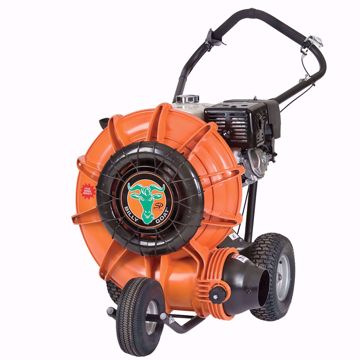
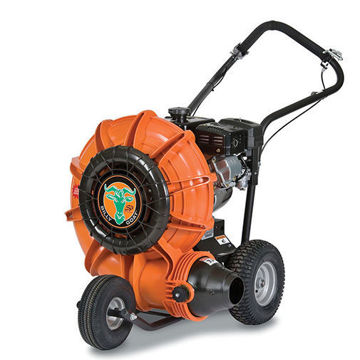
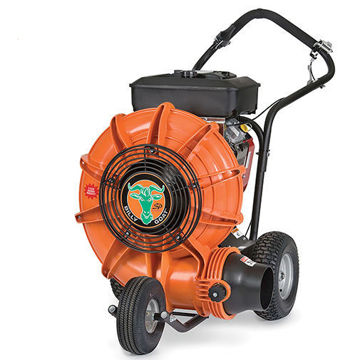
The Little Wonder 9570-14-01 Optimax self-propelled blower is one of the most powerful and efficient walk-behind blowers available, engineered for large-scale yard maintenance, commercial landscaping, and municipal cleanup where maximum air power and operator comfort are essential. Equipped with a 570 cc Briggs & Stratton Vanguard engine, it produces an impressive 2,850 cubic feet per minute (CFM) of airflow at speeds up to 179 mph, allowing it to move massive piles of leaves, wet grass, and debris with ease. The unit’s 17-inch, nine-blade reverse-angled steel impeller and all-steel welded housing ensure consistent air pressure and long-lasting durability even under heavy professional use. The self-propelled transmission drives the blower forward up to 4.1 mph and in reverse up to 2.5 mph, greatly reducing operator fatigue while maintaining full control on hills or uneven terrain. At about 248 pounds, the 9570-14-01 is best suited for properties over one acre in size, including parks, estates, campuses, golf courses, or large commercial sites. For maximum efficiency, start by checking engine oil, fuel level, tire pressure, and ensuring the intake and discharge chute are free of debris. Once running, adjust the speed control to a steady walking pace and use the remote chute deflector and split-stream air control to precisely direct airflow. Working with or across the wind helps maximize the blower’s effectiveness; plan your route to move debris into centralized piles or natural collection zones rather than scattering it across open areas. After use, clean the impeller housing and chute, inspect for loose bolts, and check for wear on belts and tires. Routine maintenance such as changing the oil every 25 to 50 hours, cleaning or replacing the air filter, and checking the spark plug will keep the engine running smoothly. If you experience reduced airflow, first look for clogs in the housing or chute, inspect impeller blades for bending, and ensure the engine is running at full throttle. Difficulty starting is often due to stale fuel, a dirty air filter, or a fouled spark plug. Excess vibration or noise can signal loose bolts or worn bearings, which should be tightened or replaced promptly. The self-propel drive system should also be inspected for proper belt tension if movement feels sluggish. By keeping up with maintenance and using the chute control effectively, you can cover large areas quickly and minimize rework. Overall, the Little Wonder 9570-14-01 delivers unmatched blowing performance, ergonomic control, and professional-grade reliability, making it one of the best options for achieving clean, debris-free grounds with minimal effort and maximum efficiency season after season.

Yard-Size Capabilities & Key Specs

This model is part of the 9570 series of walk-behind self-propelled blowers and delivers one of the highest outputs in the line. Key specs include:

  • Engine: Briggs & Stratton Vanguard, 570 cc.
  • Impeller: 17-inch diameter, 9 blades (reverse angle).
  • Air-flow: approx. 2,850 CFM and airspeed up to 179 mph.
  • Self-propelled drive: up to ~4.1 mph forward and ~2.5 mph reverse.
  • Weight: ~248 lbs.
  • Large, square discharge chute low to the ground, split-stream air-deflector, welded steel housing.

Given those figures, this machine is best suited for:

  • Large residential properties (multiple acres), estates, or commercial grounds where there’s heavy leaf/debris load.
  • Areas with lots of trees, open turf, parking lots or large paved/landscaped surfaces where you need high volume air to move large piles, debris or even standing water.
  • For smaller yards (say under ½-1 acre) the capacity might be more than you require—meaning more machine to transport, maintain, and maneuver.
    In short: if you’re dealing with big jobs, this blower gives you serious power and efficiency.

How to Use for Easy Efficiency

To get the best out of this blower and keep things efficient:

  1. Before you start
    • Check fuel and oil levels, ensure the engine is warm, inspect tires for proper inflation, confirm the drive system is functioning.
    • Clear the intake and discharge chute of any large debris (sticks, rocks) that might block the airflow.
    • Adjust the handle height for comfort and ensure the anti-vibration grip is properly set.
  2. During operation
    • Set the self-propelled speed to match a comfortable walking pace. Since the machine is doing the heavy work, you don’t have to rush.
    • Use the remote chute deflector / split-stream control to direct the airflow exactly where you want the leaves or debris to go—this helps avoid scattering material back onto cleared surfaces.
    • Work methodically: blow debris into a central collection point or off the area rather than random passes. This reduces re-work.
    • Whenever possible, blow with or across the wind, not directly into strong wind—it improves efficiency and prevents blow-back.
    • After forming piles, make a final consolidation pass rather than multiple partial passes; less time wasted.
  3. After use & storage
    • Clean the impeller housing and discharge chute of any build-up. Check for bent blades, damaged housing, or loose bolts.
    • Inspect tires, drive chain/belt (as applicable) for wear, lubrication, and tension.
    • If you store the blower for a while: drain fuel or add stabilizer, keep it in a dry place, cover if needed.
    • Regular maintenance (oil change, air filter check, spark plug, etc.) will keep it running smoother and avoid downtime.

Troubleshooting & Maintenance Tips

Here are common issues and how to quickly address them:

  • Weak airflow / leaves not moving well
    • Check for blockage in the impeller housing or discharge chute. Clean out debris.
    • Inspect the impeller blades for damage or bending; a bent blade reduces performance.
    • Ensure the discharge chute is properly oriented and not causing recirculation.
  • Engine hard to start or stalls
    • Old or stale fuel may cause issues, consider draining or replacing.
    • Check air filter; if clogged, engine will run poorly.
    • Spark plug condition / gap may need attention.
    • Check oil level; some engines have low-oil shutdown sensors.
  • Excess vibration or unusual noise
    • Loose bolts on housing or on impeller deck can cause vibration; tighten.
    • Worn bearings in the self-propel drive or wheel assemblies can produce noise; inspect and replace as required.
    • Check tires for cuts, bulges, or improper pressure. Uneven tires can feel rough.
  • Drive system issues (self-propel not working or sluggish)
    • Check belt or chain tension per manual. If the drive chain is slack it may skip or slip.
    • Inspect drive clutch or differential components if drive feels weak.
    • Ensure front/rear tires have correct pressure and tread for traction.
  • Maintenance quick checks
    • Daily: check oil, clear intake & discharge.
    • Every ~10-25 hours: inspect air filter, tires, drive components.
    • Every ~25-50 hours (or as per engine manufacturer): change engine oil, inspect spark plug, clean or replace filter.
    • Every season: full inspection of impeller, housing welds, drive system, tires; lubrication of chains if any; ensure no rust or structural damage.
Products specifications
Product TypeEquipment
Equipment ClassCommercial, Residential
Equipment CategoryBlowers
Engine BrandBriggs Vanguard
Drive SystemSelf-Propelled
TypeWalk Behind
0.0 0
Write your own review Close
  • Only registered users can write reviews
*
*
  • Bad
  • Excellent
*
*
*
Only registered users can write reviews