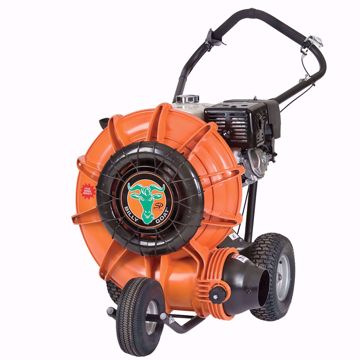
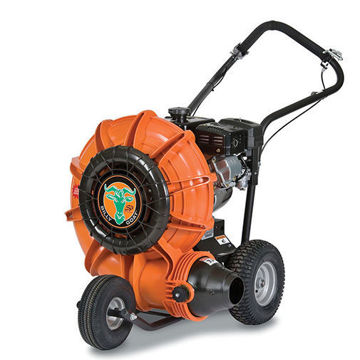
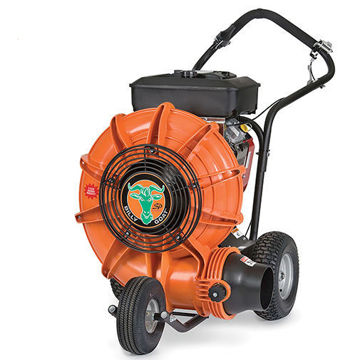
Little Wonder 9390-12-01 13HP Honda Self-Propelled Blower
HUGE freight discounts! Call 800-769-3741 for your discounted rate!
The Little Wonder 9390-12-01 Optimax self-propelled blower is one of the most powerful and efficient walk-behind leaf blowers designed for large residential properties, estates, and commercial grounds maintenance. Equipped with a robust 389 cc Honda GX390 engine, it produces an impressive 2,530 cubic feet per minute (CFM) of airflow at speeds of up to 160 mph, giving it the strength to move heavy piles of leaves, sticks, and debris with ease. The machine features a 17-inch, seven-blade, reverse-angled steel impeller housed in a welded all-steel casing for maximum durability and consistent air output. Weighing approximately 228 pounds, it includes a self-propelled drive system capable of moving forward at speeds up to 4.1 mph and in reverse up to 2.5 mph, reducing operator fatigue and allowing for efficient coverage of large areas. The 9390-12-01 is best suited for yards over one acre or for professional landscapers managing campuses, parks, sports fields, or parking areas with heavy seasonal leaf loads. To use it efficiently, begin each session by checking oil and fuel levels, inspecting the air filter, ensuring proper tire pressure, and confirming that the impeller housing and discharge chute are clear of debris. Once the engine is started, adjust the self-propel speed to match a comfortable walking pace and use the remote chute deflector and split-stream feature to direct airflow precisely where needed. Work systematically across the yard, blowing with or across the wind whenever possible, and plan your path so leaves are directed toward central collection areas rather than scattered back over cleared ground. When finished, clean the machine thoroughly by removing debris from the impeller and discharge chute, inspect for loose bolts or damage, and store it in a dry area. Regular maintenance is key to keeping the blower running efficiently: change the oil every 25 to 50 hours of use, clean or replace the air filter, and inspect the spark plug, impeller blades, and drive system periodically. Common issues such as weak airflow, vibration, or starting difficulties are usually easy to resolve by checking for impeller blockages, tightening bolts, or replacing old fuel and worn spark plugs. The self-propel drive system should also be inspected regularly for proper belt tension and tire condition to ensure smooth operation. Overall, the Little Wonder 9390-12-01 delivers commercial-grade performance with user-friendly features like ergonomic controls, adjustable handles, and precise airflow management, making it an ideal choice for anyone needing high efficiency, reliability, and power to handle large-scale leaf and debris removal year after year.
Yard-Size Capabilities
This model is a high-capacity, self-propelled walk-behind blower from the “9390” series. According to the manufacturer’s specs, it features a 17-inch impeller (7 blades, reverse angle) and delivers about 2,530 CFM of airflow and about 160 mph air-speed. It also weighs approximately 228 lbs. in the configuration listed: engine Honda GX390 (389 cc) and self-propelled drive. Because of that, here’s how to think about yard-size suitability:
- It is best suited for large residential lots, estates, commercial properties, or large yards with heavy leaf or debris loads (e.g., many trees, large open areas, parking lots).
- If your property is moderate (say under 1 acre) and leaf volume moderate, this machine might be over-capacity (you’ll get great time savings, but also more machine to move, more maintenance).
- Its self-propel drive (capable of ~4.1 mph forward / ~2.5 mph reverse) means you can cover ground faster and with less operator fatigue than a manual push blower.
- Because it’s heavy and built for commercial use, you’ll want good access, relatively clear terrain (fewer tight obstacles) and a way to transport/store it properly.
In short: if you maintain multiple acres, heavy leaf fall, or commercial grounds, the 9390-12-01 gives you strong performance. For a small suburban yard, you may not need that much power.
How to Use for Efficient Operation
To get the most out of this blower, follow these best practices:
- Pre-Use Setup
- Check fuel level, oil level, ensure the engine model is as expected (389 cc Honda GX390 in this version) and is warmed up.
- Inspect the chute/discharge path for any obstructions (sticks, large debris) and the impeller housing for any lodged leaves or other items.
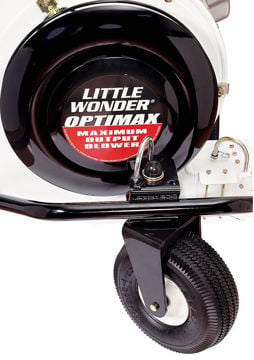
- Check tire pressure (self-propelled uses front/rear pneumatic tires) and drive mechanism (belt/chain drive) for any visible wear or slack.
- Adjust the handle height and set the anti-vibration grip to a comfortable position.
- Choose a blowing direction and plan your route: ideally, you’ll blow leaves/debris into a central pile or off-site area rather than randomly scattering.
- During Use
- Set the self-propel drive to a comfortable walking pace; because the blower moves the leaves, you don’t need to rush. Use the forward drive mode (~up to 4.1 mph) and reverse when needed (~2.5 mph) to back out of tight spots.
- Use the remote-controlled chute deflector (this model has remote chute control, split-stream deflector) to direct the airflow and avoid blow-back onto areas you’ve already cleared.
- Work with or across the wind direction rather than into the wind when possible. Use methodical passes so you’re moving debris efficiently, not re-blowing areas.
- Blow towards a collection area – whether that’s a pile, a truck/trailer, or off the property. Use the split-stream deflector to move heavier debris farther if needed.
- When turning or navigating obstacles, slow down the drive and keep the chute aimed appropriately. Prevent scattering.
- Post-Use & Storage
- After done, turn off the machine, let it cool briefly, and remove any lodged debris from intake/impeller area and discharge chute.
- Inspect for dents, damage to the housing or impeller, and check tires for cuts or low pressure.
- Clean the blower housing and chute of leaves, dust, and moisture.
- Before long-term storage: drain or stabilize fuel, cover or store in a dry location, check battery (if electric start model) or engine components.
- At the storage transition, check the belt/chain drive tension, any rust, and lubrication as recommended by the manufacturer.
Troubleshooting Tips & Maintenance
Here are some common issues with this type of blower and how to handle them:
- Weak airflow / Leaves aren’t moving as expected
- Cause: Impeller lodged with debris, bent or damaged blades, housing partially blocked, chute angle wrong.
- Fix: Turn off engine, disconnect spark (for safety), remove access cover, inspect impeller and housing for blockage, straighten or replace blades if damaged. Ensure the discharge chute is clear and oriented properly.
- Engine fails to start or stalls frequently
- Cause: Old or bad fuel, low oil level (engine may have low-oil sensor), dirty air filter, spark plug issue, choke/throttle incorrectly set.
- Fix: Check oil level, change fuel if stale, inspect/clean air filter, check spark plug gap and condition, ensure choke is correct, throttle is set.
- Machine vibrates excessively or feels rough
- Cause: Impeller imbalance (bent blades), loose mounting bolts, worn bearings in drive system, tire pressure issues, damage to housing.
- Fix: Inspect impeller and housing, tighten bolts, check tire pressure and condition, inspect drive bearings, belts, chains for wear.
- Self-propel drive not working or slipping
- Cause: Drive belt/chain slack, worn clutch or drive components, tires slipping due to low pressure or worn tread.
- Fix: Check and adjust belt/chain tension per manual, inspect clutch and drive parts for wear, check tires for proper pressure and adequate tread.
- Engine overheating or bogging under load
- Cause: Air intake or cooling fins blocked, engine overloaded (trying to blow too slowly or against heavy resistance), low oil causing overheating.
- Fix: Clean engine cooling fins, ensure adequate ventilation, run at proper pace (not crawling), check oil level and quality.
- Maintenance reminders
- After each use: clean housing, check for debris and loose parts.
- Weekly or every ~10 hours: inspect tires, air filter, belts, drive components.
- Every ~25-50 hours depending on use: change engine oil, inspect spark plug, clean or replace air filter, check impeller housing.
- Annually or at heavy-use season: full inspection of impeller blades, housing welds, drive system, tire condition; lubricate as required; check for any rust or corrosion (especially if stored outdoors).
- End of season: stabilize fuel, clean the machine thoroughly, store in dry area, cover and protect from moisture.
Summary
The Little Wonder 9390-12-01 Optimax self-propelled blower is a heavy-duty machine designed for large-scale leaf and debris removal. With ~2,530 CFM airflow and 160 mph velocity, plus self-propelled drive, it’s well-suited to large yards, estates, or commercial grounds. To use it efficiently, plan your work path, maintain a steady walking pace, use the remote chute controls and split-stream deflector to your advantage, and keep it well-maintained. Troubleshooting is mostly about checking impeller/housing blockages, engine starting issues, drive system and tires. With proper use and care, it can be a reliable, efficient tool for serious cleanup tasks.