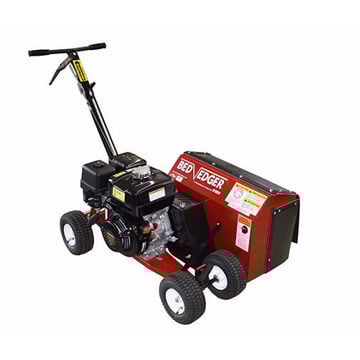
Brown F-991H 9.0 BedEdger/Trencher
* MUST SHIP TRUCK FREIGHT. Call Us For A Great Freight Rate (800)769-3741!
The Brown F-991H 9.0 BedEdger/Trencher is a highly capable walk-behind machine powered by a 9-HP Honda GX270 engine, designed to cut trenches or edges up to 9 inches deep and as wide as 9 inches, depending on the rotor used, with a double-belt and pulley drive system and durable tungsten carbide rotor points that maintain cutting efficiency even in tough soil conditions. To operate it at peak efficiency, start by selecting the appropriate rotor for your desired depth and width, checking that belts are properly tensioned, inspecting rotor points for wear, and clearing the work path of rocks or debris; once the engine is running at full throttle, allow the rotor to spin freely before gently lowering it into the soil, then advance at a smooth, controlled pace that lets the rotor do the work without forcing the machine. In compacted or hard soils, a slight rocking motion helps the rotor bite without overloading the engine, and keeping an eye on soil discharge ensures that buildup under the hood or around the rotor does not reduce cutting performance. Common issues are generally easy to troubleshoot: loss of cutting power often comes from loose belts, a clogged air filter, dull rotor points, or pushing too aggressively; inconsistent depth can result from using the wrong rotor or soil buildup; vibration usually indicates debris or damaged rotor points; and starting problems are commonly solved by using fresh fuel and checking the spark plug. After each job, clean soil from the rotor and hood, dry the machine, inspect and tighten belts, and replace worn carbide points as needed to maintain optimal performance. Following these practices, combined with steady operation and routine maintenance, ensures the F-991H delivers clean, precise trenches and bed edges, minimizes downtime, and maintains long-term reliability.
Depth Capabilities
- The F‑991H is equipped with a 9‑HP Honda GX270 engine.
- Per Brown’s spec sheet, it can trench or edge up to 9 inches deep, depending on rotor choice and soil conditions.
- It supports a trench / cut width from ½″ to 9″, thanks to its compatibility with a wide range of interchangeable rotors.
- The machine uses tungsten carbide rotor points, which are very durable and ideal for consistent cutting.
- It has a double-belt & pulley drive system, which helps ensure reliable power transmission.
- For speed: edging can run at 10–30 ft/min, and trenching at 7–30 ft/min, depending on soil.
Troubleshooting Tips
Here are some common issues you might run into with the F‑991H and how to handle them:
- Engine Starts Poorly or Won’t Start
- Use fresh, clean fuel, stale or contaminated gas can cause hard starting or misfires.
- Check and clean or replace the spark plug if it’s fouled or worn.
- Make sure the clutch lever is disengaged before starting (so no load is on the belts) and that throttle / choke settings are correct.
- Rotor Won’t Engage / Cuts Poorly
- Before engaging, lower the handle just enough so the rotor can spin freely, then raise it slowly to engage the soil, this reduces mechanical shock.
- If the rotor is worn or dull, inspect the carbide points; replaced worn points will restore cutting performance.
- If soil is building up in the hood (especially in clay or sticky soil), stop and clear it frequently; buildup reduces cutting efficiency.
- Loss of Power / Sluggish Trenching
- Slow your forward speed: if you push too fast, the engine may bog down. Let the rotor cut at its own pace
- Check belt tension: if belts are loose or worn, they may slip and reduce power to the rotor.
- Inspect / clean the air filter; a clogged filter will choke the engine and reduce output.
- Vibration / Rotor Imbalance
- Stop the machine if strong vibration occurs: remove the rotor guard and inspect for debris or damaged rotor points.
- Make sure all rotor points are securely fastened, and if using a rock rotor, ensure the retaining nut / lock nut clearance is correct.
- Check the tire pressure on the wheels; uneven or low pressure can make the machine feel unstable or affect cut depth.
- Safety Concerns / Striking Obstacles
- Before trenching, always check the path for hidden utilities, rocks, or roots. Striking a rock or object? Immediately disengage the clutch and investigate.
- Use protective gear: eye protection (for flying debris), gloves, and ear protection (for engine noise) are very important.
- Always ensure the rotor is fully stopped (clutch disengaged) before transporting or repositioning the machine.
Tips for Operating Efficiently
To get the most from your F‑991H in terms of performance, longevity, and clean trenching / edging:
- Pre-Job Setup
- Choose the right rotor for your task: Brown offers a variety for different trench depths and widths.
- Check belt alignment and tension every job, properly tensioned belts minimize slippage and maximize power.
- Walk the trench / edge line beforehand, clearing large rocks, debris, and marking the route so you can maintain a consistent line.
- Starting & Engaging the Cut
- Start the engine at full throttle. Wait for the rotor to spin freely in the air before lowering it into the soil.
- Lower the handle gently so the rotor starts cutting gradually, rather than slamming into the ground protects the drive components.
- Cutting Technique
- Maintain a steady, controlled forward pace to maximize cut quality and avoid over-stressing the engine.
- In very hard or compacted soil, use an oscillating motion (rocking front-to-back) with the handle to help the rotor bite without bogging.
- Monitor the soil discharge, if too much builds up under the hood, pause to clean it out so the rotor can continue cutting effectively.
- Managing Excavated Soil
- The F‑991H is designed to pile excavated dirt neatly along the trench, which makes backfilling easier.
- Backfill while the soil is still loose for best compaction and less effort.
- After finishing, clean out soil around the rotor and under the hood so dried clods don’t impair future operation.
- Maintenance & Storage
- After each use, clean off soil (especially clay) and dry the machine to prevent rust or grime build-up.
- Regularly inspect and replace rotor points when they start to wear; sharp points help maintain cutting speed.
- Lubricate pivot points, check belt tension, and inspect other key wear or moving parts per the Brown manual.
- Store in a dry, covered space to protect belts, pulleys, and engine components from the elements.
- Long-Term Safety & Efficiency
- Always use the clutch to stop the rotor before repositioning or transporting the machine; don’t rely on coasting.
- Keep a clean work site: remove or mark any obstructions before trenching.
- Wear appropriate PPE: gloves, eye and ear protection help protect you from debris and engine noise.
Summary
The Brown F‑991H 9.0 BedEdger is a rugged and versatile walk‑behind edger / trencher powered by a 9 HP Honda engine, capable of cutting up to 9 inches deep and up to 9 inches wide, thanks to its double-belt drive and interchangeable rotors with carbide tips. It works best when properly set up (correct rotor, good belt tension, clean path), started smoothly (let the rotor spin before lowering), and operated with a controlled, steady feed especially in hard soils where a rocking motion helps. Common issues like bogging, vibration, or poor cutting are usually due to belt problems, rotor wear, or soil buildup, and they can be prevented or fixed with regular cleaning, inspections, and maintenance. By using these practices, you’ll keep the F‑991H efficient, safe, and long-lasting, getting clean trenches or bed edges while minimizing downtime.
*NOTE: This item is special order.